

Cloud gaming is quickly reshaping how people play and enjoy video games. Gone are the days when you needed expensive hardware or a single device to dive into the latest releases. Now, anyone can experience high-end gaming from just about anywhere—on a phone during a commute, a smart TV in the living room, or even a basic PC. This isn’t just a technical leap; it’s a game-changer for accessibility, affordability, and how gamers connect with each other.
How Cloud Gaming Works—and Why It Matters
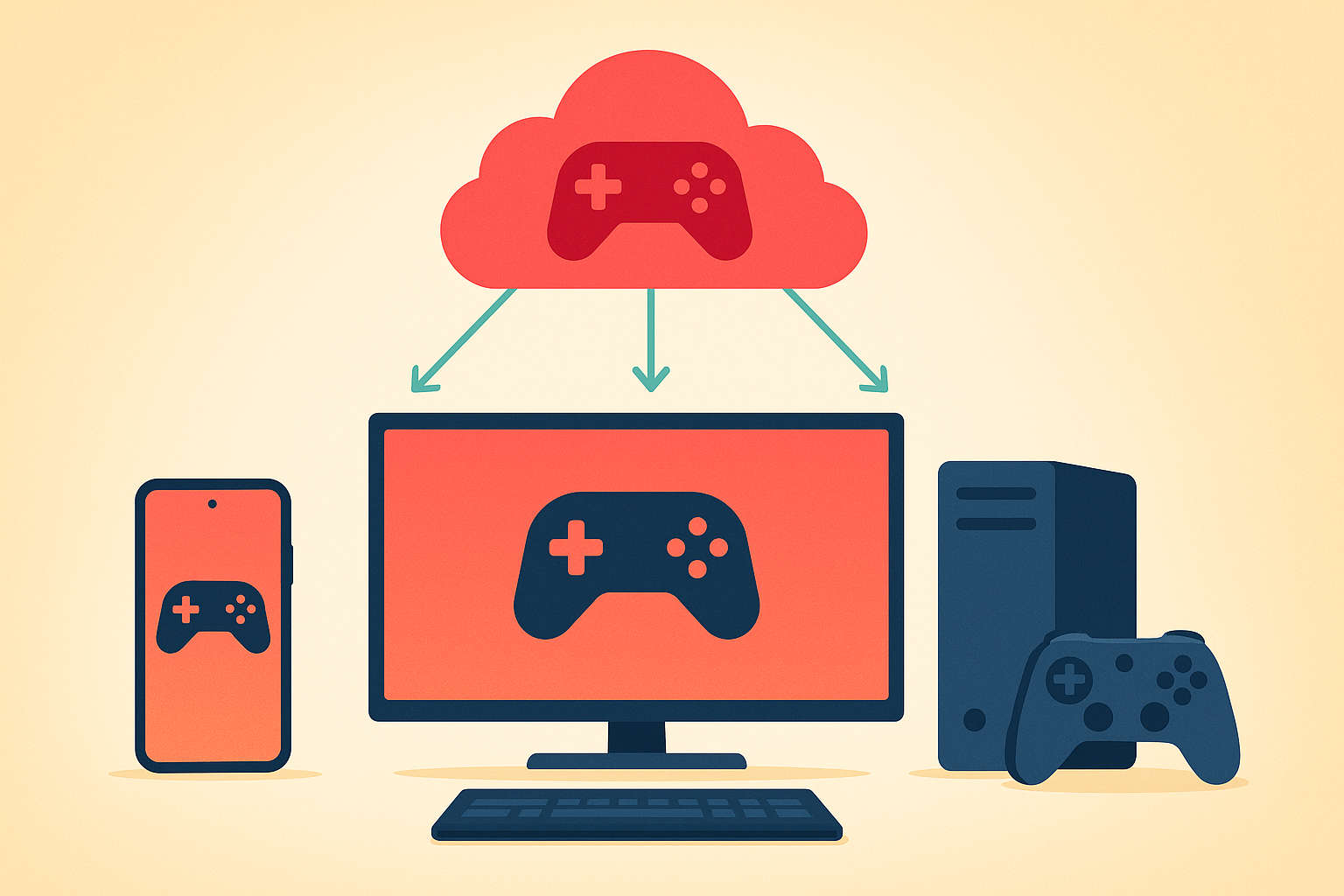
Cloud gaming works by streaming games from remote servers right to your device. While you play as usual, all the heavy lifting—processing and graphics rendering—happens elsewhere, and you see the results on your screen, much like watching a Netflix show. The impact is huge: you don’t need to buy the latest console or upgrade your graphics card just to keep up. All that’s really required is a steady internet connection and a simple device, lowering the bar for entry.
With advances like 5G and edge computing, the industry has cut down on lag and improved gameplay smoothness. Thanks to these upgrades, even fast-paced action games or VR titles—once only possible with pricey setups—are now within reach for everyday users.
Market Growth and Global Reach
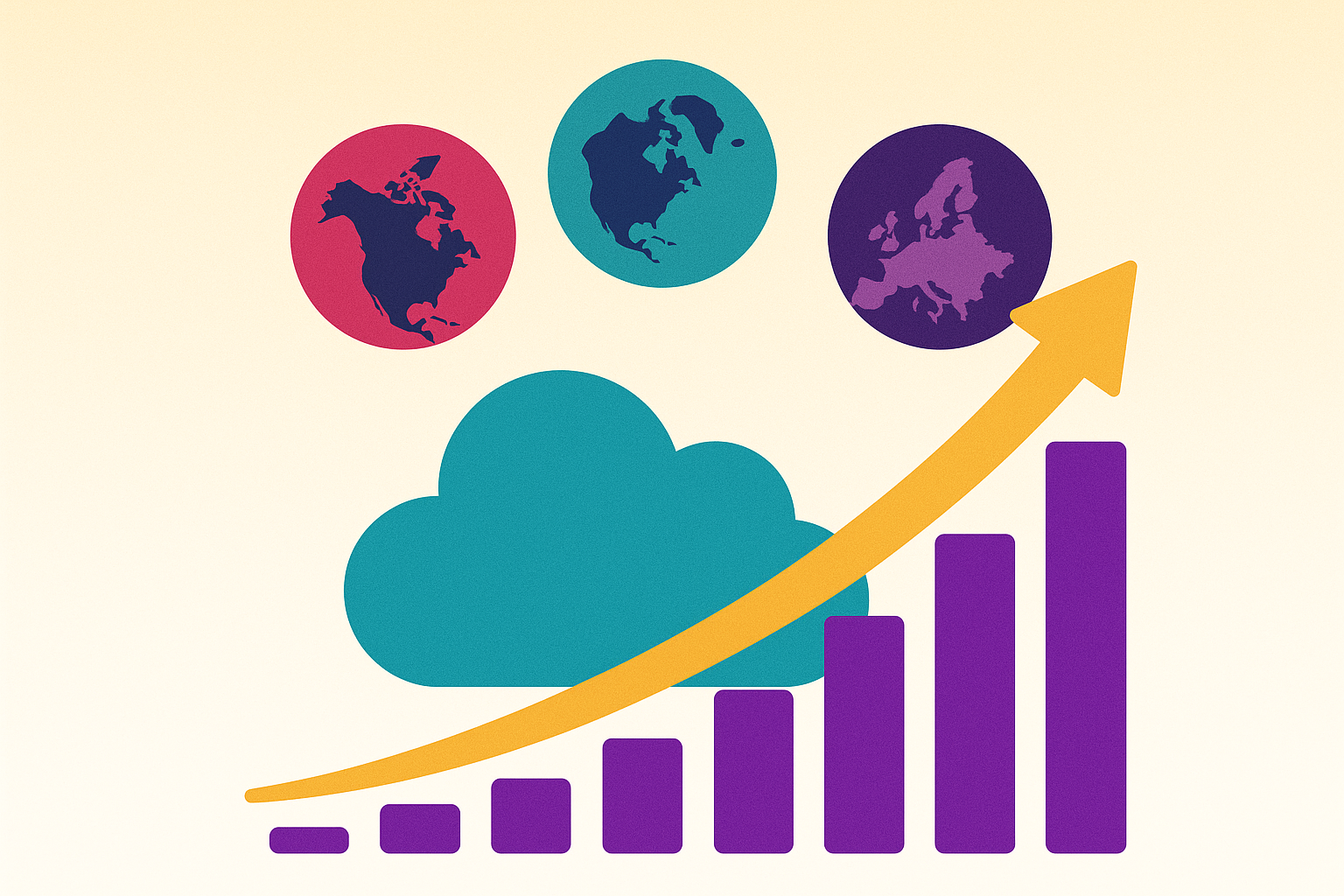
Cloud gaming is seeing explosive global growth. The market is expected to climb from $3.36 billion to $15.74 billion by 2025 and could reach a staggering $159 billion by 2032, with annual growth rates between 33.9% and 50%. North America currently commands almost half the market, but the Asia-Pacific region is quickly catching up, driven by its large population and better digital infrastructure. For instance, India’s online gaming market is projected to hit $368.7 million by 2027, highlighting its popularity among younger and mobile-first gamers.
The Role of Devices: Gaming Unchained
Device freedom is a standout feature of cloud gaming. In 2024, smartphones represented more than 44% of cloud gaming spending—showing that mobile has moved front and center in adoption. As cross-platform play becomes easier, users can jump from one device to another without losing their spot or breaking social ties. Now, console and PC players can connect with friends who are using only a phone or smart TV, making platforms feel less restrictive than ever.
Leaders like Nvidia GeForce NOW, Microsoft xCloud, and Blacknut are rolling out support for new devices and expanding to fresh markets. They’re also working on better streaming technology, bringing in virtual reality, and using AI for more creative content, all to make cloud gaming even better.
Subscription Models: Affordable Access to Premium Games
Another big shift is the rise of subscription-based services, much like what we see in music or movies. Instead of buying games one by one, players pay a monthly fee to access big game libraries. These subscriptions make gaming more affordable and keep players engaged, with Europe and other regions seeing strong results. Hybrid services—such as Xbox’s model—mix traditional and cloud gaming, keeping users involved longer and giving them more options.
Why Now? The Technology and Player Experience
The rollout of 5G and more advanced edge computing has shrunk lag, making games more responsive and visuals sharper. In February 2025, Xbox started mixing AI-generated content and fresh ways to play, hinting at a future where AI personalizes gameplay, shapes environments, and helps developers build new worlds faster and more efficiently. Big investments from companies like Tencent and Sony show just how high the stakes are for cloud gaming’s future.
AI is also opening doors for game creators. Platforms like Fortnite and Roblox, which thrive on user-made content, paid out over $1.5 billion to creators in 2025. This allows more gamers to not just play, but also build, share, and even earn money from their own creations.
Addressing Challenges: Latency, Pricing, and Retention
Cloud gaming has plenty of strengths, but it still faces some hurdles. Lag—although much improved—can still be a problem where networks aren’t as strong. Pricing is a work in progress too, with some players hesitant about the cost or the value they get. A January 2025 Ericsson study found most gamers use these platforms for less than a quarter of their gaming time, often because of performance worries or a lack of unique content.
But there’s progress. AI-driven upscaling is being tested to cut down bandwidth use while keeping visuals sharp, and price plans are getting more flexible for different budgets. As internet quality grows—especially in places like Asia-Pacific—more people are expected to try and stick with cloud gaming.
For more on protecting younger gamers, check out our discussion on AI safety for kids in gaming.
Cloud Gaming vs. Traditional Gaming
The differences stand out. Traditional gaming usually means spending hundreds on hardware, making regular upgrades, and sometimes wrestling with setups or fixes. With cloud gaming, your phone, TV, or even an old laptop can become a window to the latest titles—no big investment required.
This opens the door for people who might have skipped gaming before, whether because of cost, technical headaches, or simply not wanting to collect “gamer hardware.” Cloud platforms are working to make interfaces simple and access instant, so almost anyone can dive in. If you’re interested in how technology is bringing newcomers into the fold and making digital worlds even richer, see our take on AI-driven game characters and how they’re changing how players interact.
What’s Next? The 2030 Vision
Looking ahead, cloud gaming is set to blend even more with other entertainment, offer more creator-built content, and introduce AI-driven experiences that feel uniquely personal and immersive. By 2030, millions more could be playing, building, and even earning inside cloud-based game worlds—without worrying about expensive gear or where they live.
To learn more about how AI is shaping gaming, head over to our post on large language models to see why artificial intelligence is becoming such a powerful influence in digital entertainment.
FAQ: Cloud Gaming in 2025 and Beyond
- What is the current market size of cloud gaming? In 2025, estimates put it between $3.4 billion and $15.7 billion worldwide, showing rapid growth from year to year.
- Who are the top cloud gaming providers? Leading services include Nvidia GeForce NOW, Microsoft xCloud, Blacknut, and Unity (Parsec).
- What drives growth in cloud gaming? Mainly, it’s advances in 5G, wider broadband access, more devices, edge computing, and flexible subscription models.
- Which regions are investing most in cloud gaming? North America is in front, but Asia-Pacific is catching up fast with more smartphone users and better connectivity.
- Will cloud gaming replace consoles altogether? Not right away—hybrid systems and classic consoles will stick around, but cloud gaming gives a cheaper, more flexible choice for new and casual gamers.
Cloud gaming is changing both how we play and who gets to play. By lowering barriers and encouraging creativity, it promises a future of gaming that’s more open, engaging, and diverse. As the technology matures and player experience improves, expect cloud gaming to reshape not just the games themselves, but the entire world of gaming.