
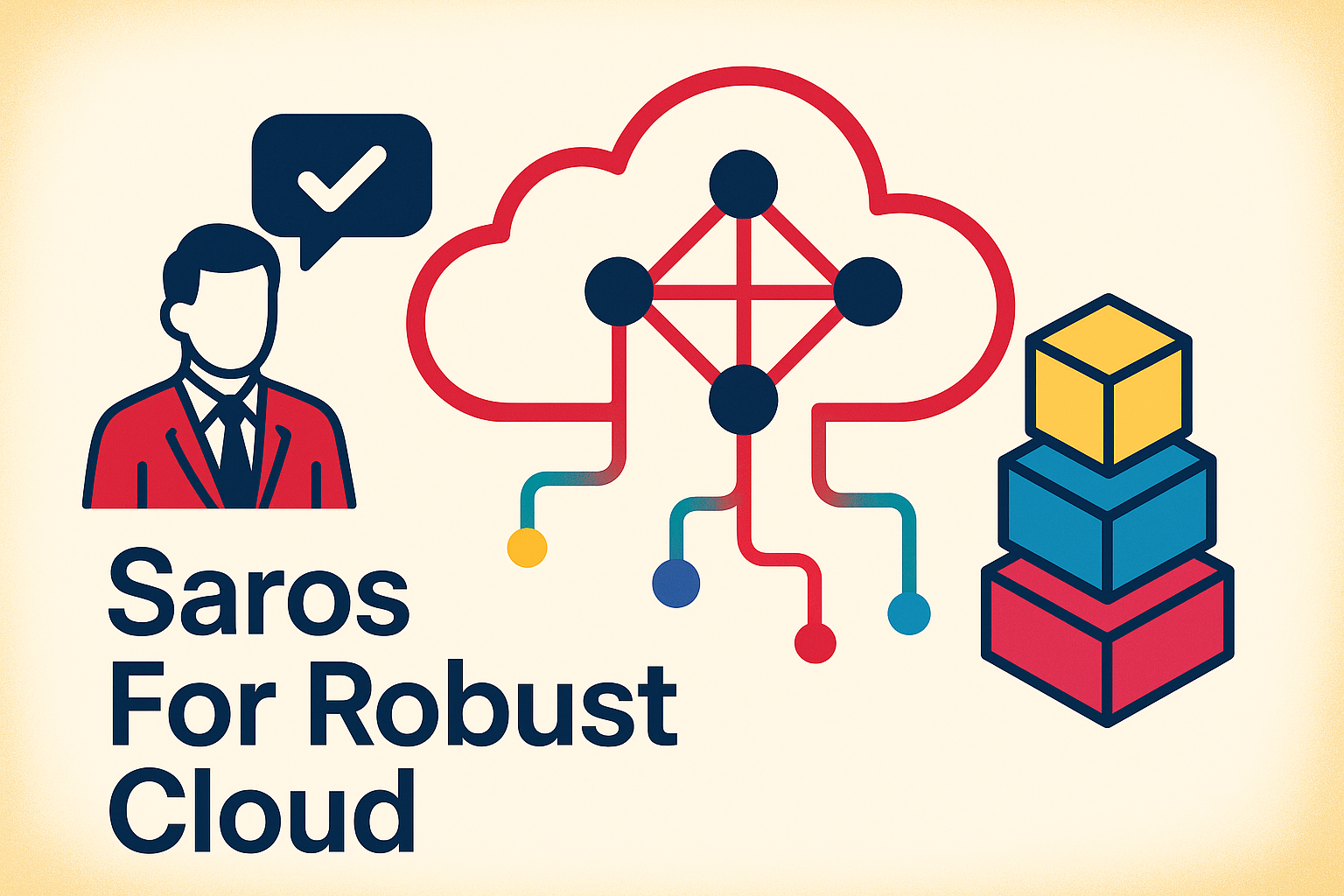
When it comes to building strong cloud solutions, developers are constantly looking for platforms and strategies that blend scalability, flexibility, and efficiency. That’s why the term “Saros” keeps coming up—although it’s often misunderstood. Both Saros Consulting and Saros Technology provide cloud-focused services, but their role is different from hands-on development platforms like AWS or Azure. So, why does the concept of Saros still matter to developers searching for resilient cloud environments? Exploring this reveals why Saros-influenced approaches are gaining traction and where they fit in today’s cloud landscape.
Understanding the Saros Approach to Cloud Environments
While Saros isn’t a developer-exclusive platform or tool, its principles and cloud architectures have real appeal for engineering teams wanting reliable infrastructure. Saros Consulting stands out for its vendor-neutral advisory and strategy work. Instead of recommending a specific service, they guide businesses—and their technical teams—through planning and building cloud environments tailored to unique needs. The payoff is a more aligned, well-managed system—a priority for developer teams aiming for speed, uptime, and security.

Saros Technology, on the other hand, provides frameworks for standardizing and repeating cloud deployments, whether they’re private, public, or hybrid. It doesn’t offer direct integrations for coding or serverless computing, but it does help engineering teams achieve the reliability and scalability they need—the perfect base for layering on custom solutions built for developers.
Making Cloud Adoption Practical: The Developer’s Perspective
For software engineers, achieving a secure and high-performing cloud setup is about much more than picking a popular provider. Developers are the ones who make the tech stack manageable, keep deployments running smoothly, and streamline those vital CI/CD pipelines. Here’s how a Saros-inspired approach can support that work:
- Strategic Planning: Vendor-agnostic advice helps developer teams avoid being locked into a single vendor, which makes it easier to adapt as projects or needs shift.
- Cost Optimization: Keeping spending in check—without reducing performance—is always top of mind. A Saros-style assessment can spot waste and suggest smarter use of cloud resources.
- Security and Compliance: Building resilience into cloud systems allows developers to meet strict security standards, especially in sensitive or regulated fields.
- Hybrid and Multi-Cloud Agility: Many engineering projects use a mix of private and public cloud resources. By sticking to standards and repeatable processes—something central in Saros Technology—developers can deploy and grow resources with less hassle.
In short, while Saros itself isn’t a tool developers use day-to-day, its strategies and consulting mindset match up with the real challenges and goals developers face. Teams drawing on these ideas are set up to spot and solve problems early, leading to cloud systems ready for continuous delivery, minimal downtime, and fast experimentation.
Integrating Dev Tools Into Cloud-First Strategies
Even on a Saros-guided cloud platform, developers often have to fill in gaps left by the lack of built-in development tools. To stay productive:
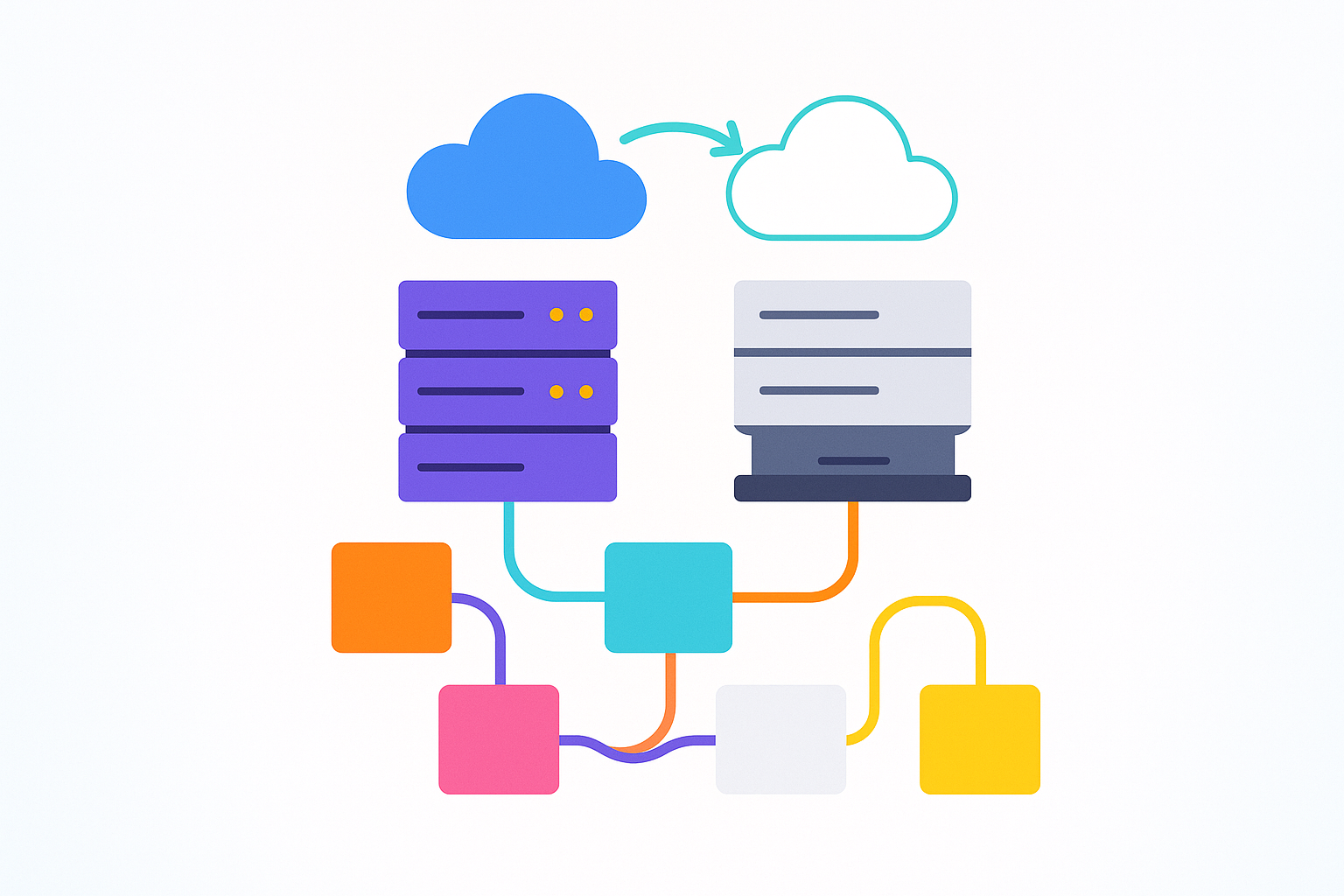
- They can bring in third-party dev environments, like GitHub Codespaces or JetBrains’ IDEs, and attach them right to Saros-designed architectures.
- Automation tools, including popular CI/CD orchestrators, help teams keep up code quality and deployment pace, even when the platform itself isn’t natively developer-focused.
If you’re exploring a Saros-inspired direction, it pays to add developer-focused tools—like code formatters, API testers, and automated error trackers—to your workflow. These utilities save time and reduce errors, especially in ecosystems designed with the realities of modern development in mind.
Balancing Vendor-Neutrality and Developer Experience
One of the strengths of a Saros-style approach is the mix of flexibility and usability. Not being tied to a single provider means teams can try new things and work with whichever languages or frameworks fit their goals. This opens the door to real innovation, but it also means more responsibility for developers in putting together the right toolkit.
The benefit of this approach stands out when compared with more restrictive platforms. Some proprietary clouds offer a tightly connected ecosystem, which can slow down experimentation or make future changes tough. By using a vendor-neutral design, developers are free to tailor their own cloud stack. For those interested in working artificial intelligence into custom cloud builds, our guide on AI-powered, character-driven interfaces shows how flexibility and modularity lead to smarter, more adaptable solutions.
Future Trends: Cloud Solutions Grow Even More Developer-Centric
As businesses push for more flexibility and continuous delivery, developers are driving the evolution of the cloud. We’re seeing more organizations adopt private and hybrid cloud setups—like those promoted by Saros Technology—while always layering in tools that developers really need. New trends point to increased AI integration, better automation, and more use of simple, code-driven configurations. These advances make life easier for developers, even when they’re building custom platforms.
If you want to understand how big language models are changing cloud-native development, our article on advanced AI in the cloud covers practical ways these emerging tools can improve both developer efficiency and the end-user experience.
Conclusion: The Saros Model in Perspective
Saros may not be a direct coding platform, but its way of thinking underpins much of today’s approach to building cloud infrastructure that’s robust, scalable, and secure. Developers benefit from frameworks and advice that favor vendor diversity, emphasize careful planning, and push for efficiency at all levels of cloud deployment. Adopting Saros-inspired strategies is less about picking up new software and more about building a cloud culture where adaptability and reliability create real development success.