

Artificial intelligence is moving forward at a remarkable pace, but as its abilities grow, so does the need to make sure its development stays ethical, open, and responsible. IBM stands out among the major tech players for its careful and well-structured focus on AI ethics—especially in industries that are highly regulated and complex. By combining strong governance, helpful open-source tools, and a firm promise to keep things fair and transparent, IBM is helping lead the way in showing how AI can be brought into businesses responsibly.
IBM’s Vision for Ethical AI
While some companies experiment with AI for innovation’s sake, IBM sees it as a foundation for real change across businesses. That belief pushes IBM to build trust, openness, and responsibility into every step of the AI process. At the heart of this is a hands-on governance model led by an AI Ethics Board, co-chaired by Dr. Francesca Rossi and Christina Montgomery, that keeps ethics at the core instead of tacking it on later. This board actively creates policies, checks product pipelines, and sets benchmarks for responsible use.
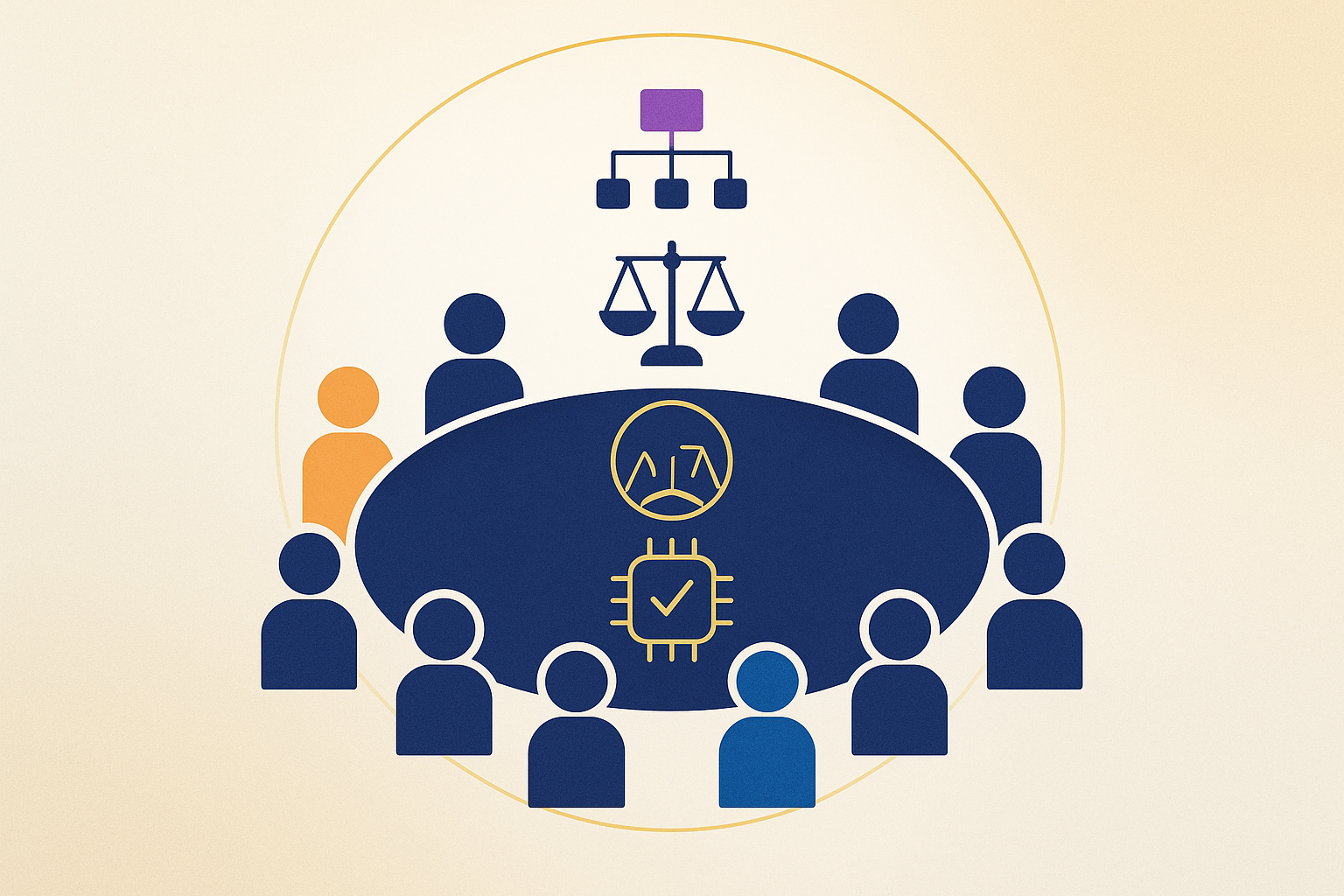
IBM also speaks out publicly, making it clear that “clients’ data is their data,” a stance that supports data privacy and sovereignty. Thanks to high-level leadership and strong policies, IBM is shaping global conversations on how to use AI responsibly.
Operationalizing Ethics: Beyond Policy to Practice
What sets IBM apart is how it turns ethical ideals into practical steps and standards. A good example is watsonx.governance™, launched in 2023, which automates risk management and keeps an eye on bias throughout the life of an AI project. This tool is made for fields like finance and healthcare, where tough rules mean decision-making has to be both reliable and clearly documented.
IBM also supports open-source tools like AI Fairness 360 and AI Explainability 360, letting organizations measure, fix, and report on issues like bias and explainability in their AI models. These resources help data scientists and compliance teams work together to create responsible AI, making it easier to spot and address problems early.
This practical approach is catching on: a recent study found that 73% of compliance leaders now care more about making AI explainable and fair than focusing purely on performance—a trend that supports IBM’s long-term plan.
Emphasizing Enterprise Governance and Human Oversight
Today’s businesses need more than just powerful AI—they need AI that’s accountable, fair, and always checked for risk. IBM focuses on building tech that includes built-in checks, like continuous auditing of AI models, and making sure human oversight isn’t lost along the way. Instead of letting AI run unchecked, IBM’s approach means human experts can always step in, review, and adjust decisions.
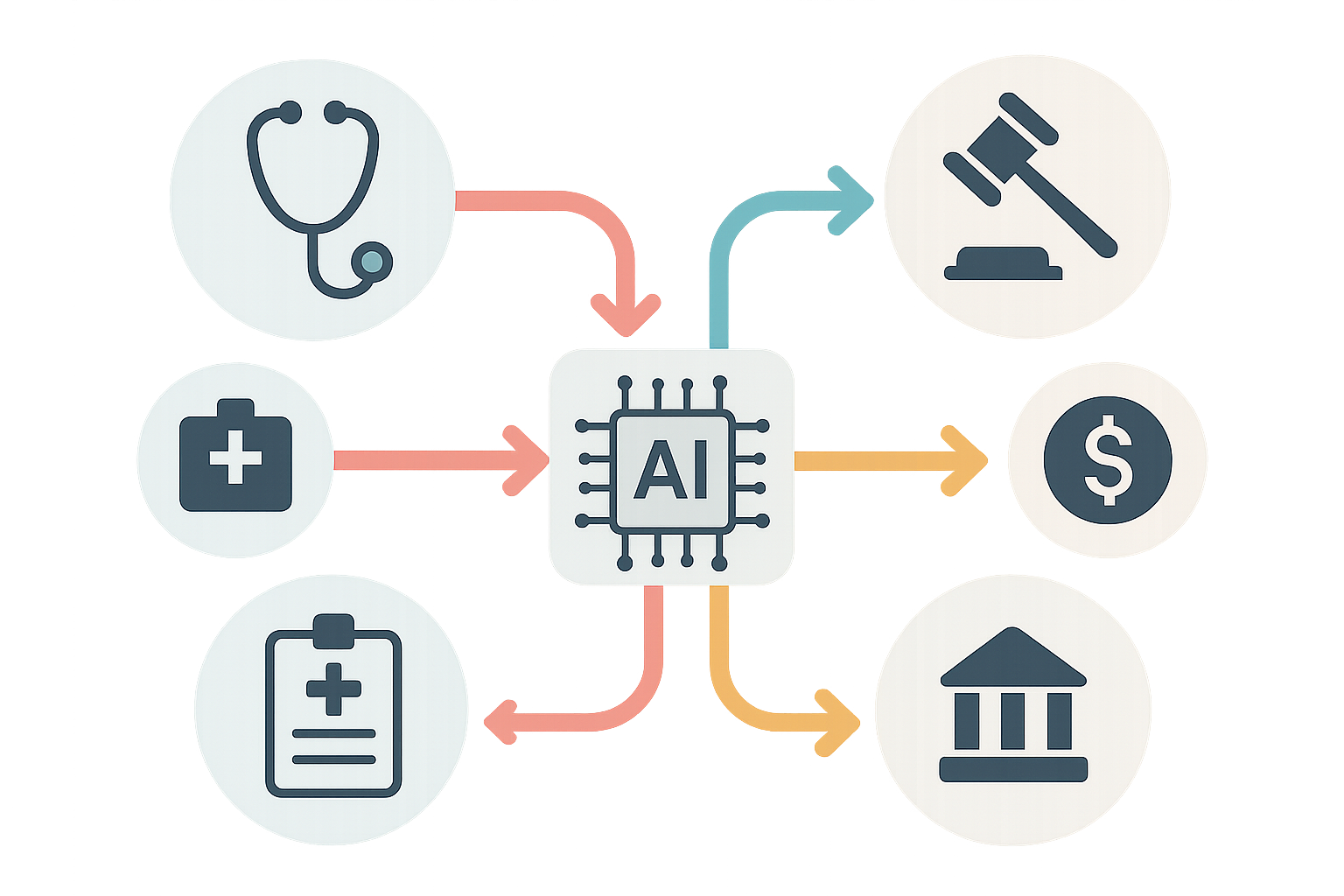
This kind of supervision fits with where the world of AI ethics is heading: more organizations are shifting from just technical progress to building long-term trust and meeting regulations head-on.
Differentiating IBM: Comparison with Other Tech Giants
Compared to others, IBM’s emphasis on putting ethics into action really stands out. For instance, Google often spotlights research and social impact, promoting transparency but usually zeroing in on model development and regulation advocacy. Microsoft weaves ethical AI into its cloud offerings, with review boards and fairness tools, but its focus isn’t as deep across the whole AI lifecycle in regulated sectors. Meta works on privacy and fairness in content management, always pushing quick innovation.
IBM, in contrast, has consistently made AI ethics central to how it brings AI into highly regulated industries, giving it a more mature and tailored responsible AI strategy.
The ongoing leadership of experts like Francesca Rossi and a dedicated ethics board only deepen IBM’s standing and influence on conversations about ethical AI.
Practical Impact: Real-World Applications and Responsible Growth
IBM’s way of working makes a real difference for industries under strict rules. In fields like healthcare and finance, its tools help guarantee that AI insights stay reliable, follow the rules, and remain clear and understandable. For example, watsonx.governance™ lets organizations automate reports and records for data flows, bias checks, and privacy steps—making it easier to pass audits and keep up with changing regulations.
But it’s not just about following rules. These efforts help build public trust in AI and support safe and lasting growth. IBM predicts that by 2025, responsible AI practices will speed up AI adoption across entire sectors—a view backed by rising calls for openness and explainability.
If you’re interested in keeping AI safe for younger learners, check out this discussion of AI safety for kids. For insights on generative AI safety, see this article about kids using character AI.
The Road Ahead: IBM’s Contributions to Future Trends
IBM isn’t just meeting today’s ethical needs; it’s working to shape the path of AI ethics for the future. Collaboration and community-driven upgrades—like the InstructLab initiative—help make AI safer, more open, and more specialized, without losing oversight. IBM’s involvement with regulators and industry leaders means it bridges the worlds of policy and technology.
As generative AI becomes more prominent, IBM highlights the new ethical questions these models raise—like how to handle fake content and bias in what AI produces. The company’s frameworks and toolkits act as a guide for others who want to build safe, trustworthy AI.
For a closer look at how advanced AI models work, check out this in-depth look at large language models and modern AI.
Conclusion
IBM’s approach to AI ethics is rooted in practical tools, strong governance, and a forward-thinking vision for responsible growth. As businesses everywhere turn to AI for an edge, IBM’s frameworks—from watsonx.governance™ to open-source resources like AI Fairness 360—offer clear paths to building trust and openness in every industry. Whether you’re comparing IBM to its rivals or considering its ethical leadership, IBM stands out as a driving force in helping organizations and society use AI responsibly.