

The rise of 5G networks is changing how we connect and communicate, marking a major milestone in wireless technology. As the fifth generation of mobile standards, 5G goes far beyond previous networks, delivering higher speeds, lower latency, and the ability to connect more devices at once. Because of this leap, 5G is making possible new types of mobile experiences and business solutions that simply weren’t feasible with earlier technology. But what truly separates 5G from what came before, and how are new developments—like 5G-Advanced—reshaping the way we live, work, and innovate?
What Sets 5G Apart: Technical Foundations and Realities
5G offers much more than a faster connection compared to 4G. Its strength lies in how it uses the radio spectrum—stretching across low bands for broad coverage, and mid- to high-frequency ranges, including mmWave, for blazing data speeds and minimal delays. Technologies like massive MIMO (multiple input, multiple output antennas), network slicing, and modern cloud-based network cores drive these advancements.
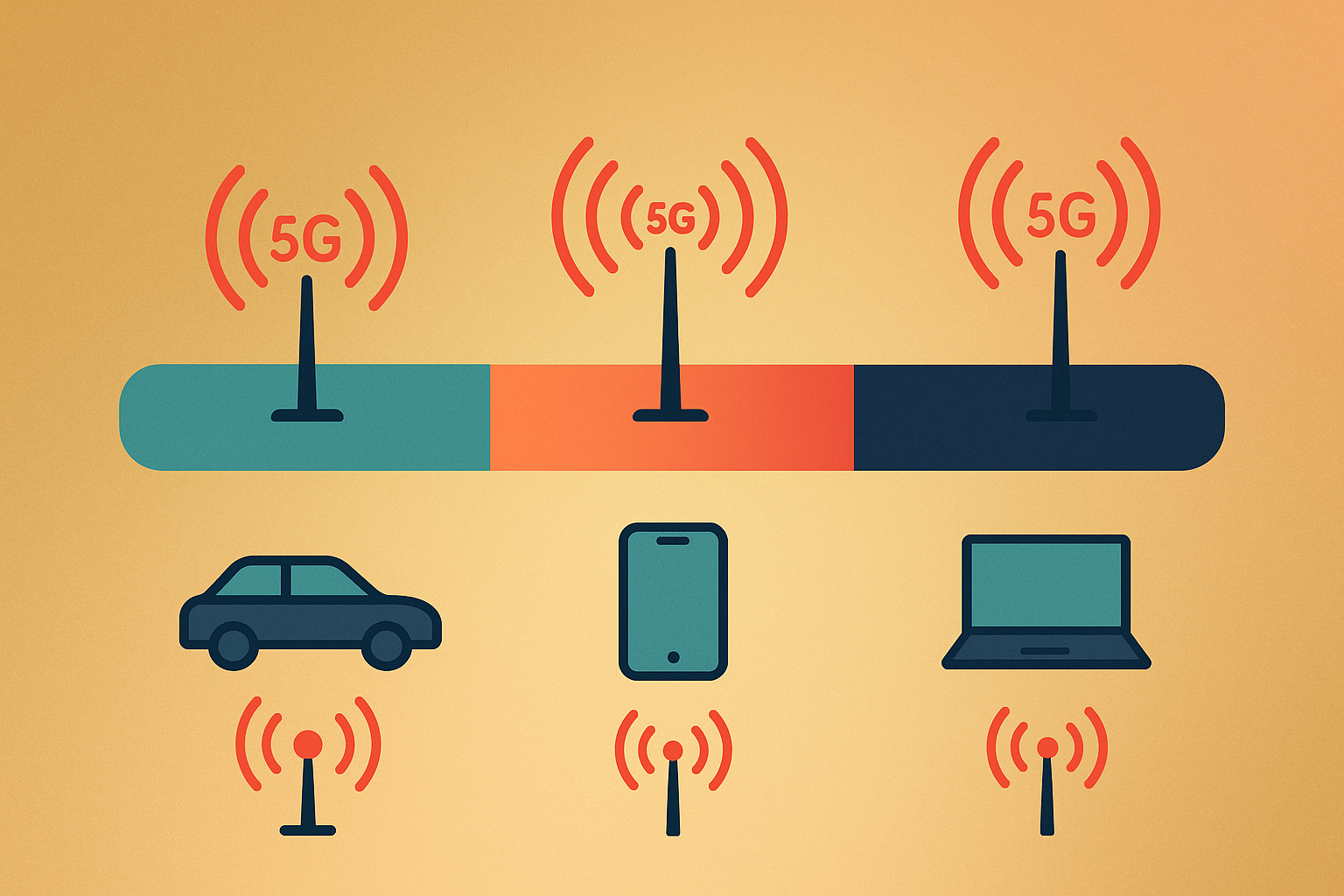
The difference? In tests, 5G has reached speeds up to 20 Gbps on downloads and 10 Gbps on uploads, and it can often support up to a million devices in a single square kilometer—far surpassing LTE’s capacity. Still, actual performance will vary, especially outside busy urban areas and with the highest frequencies (like mmWave), which have limited range and struggle to penetrate buildings.
The Shift to 5G-Advanced and AI-Native Networks
In 2025, 5G will enter a new chapter with 5G-Advanced, and here’s what stands out:
- Smarter AI-driven automation for network management, making it easier to handle congestion and adjust resources without human help—especially helpful for businesses.
- Better energy efficiency in both the radio and the heart of the network, as the need to support more devices comes with pressures to be more sustainable.
- Improved mobility and seamless service, which matters for things like connected vehicles, high-speed trains, and drones.
5G-Advanced isn’t just a technical update; it creates a more intelligent, stronger foundation for everything from national infrastructure to modern business campuses and urban spaces.
Real-World Applications: Beyond Smartphones
The real power of 5G goes far beyond faster phones. It’s driving a wave of new, real-world innovations:
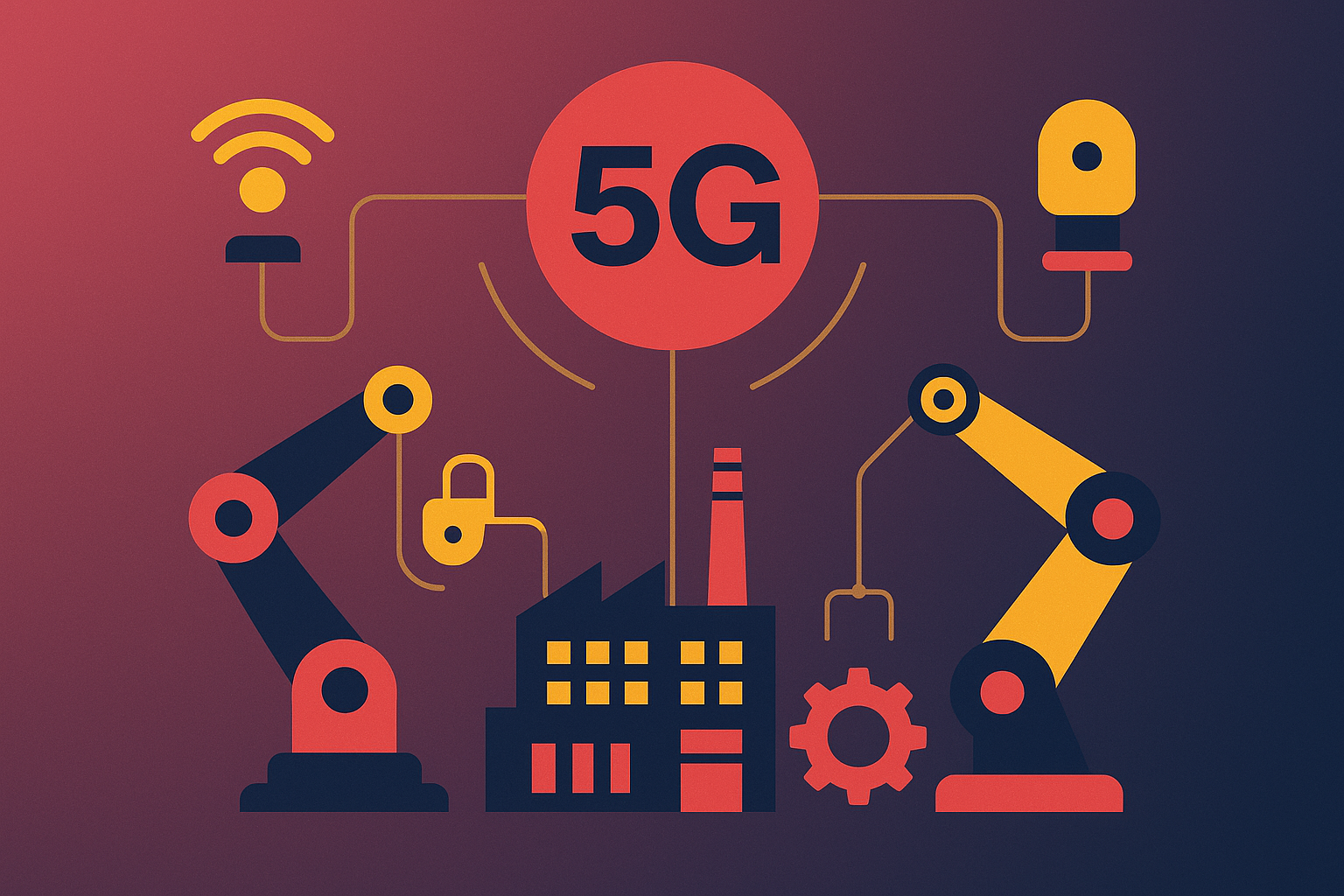
- Private and Enterprise Networks: Industries such as manufacturing, logistics, and healthcare are building their own 5G systems. By operating private networks, they can tightly control performance and reliability—crucial for things like automated factories, driverless cars, or remote medical technology.
- Massive IoT: Thanks to 5G’s ability to connect huge numbers of devices, cities are rolling out wide networks of sensors for utilities, transportation, and the environment—turning the concept of smart cities into working reality.
- Ultra-Reliable Low-Latency Communication: Critical uses like industrial robots, AR experiences, or even surgery performed remotely are now practical, with 5G cutting delays down to mere milliseconds—where every moment counts.
- Edge Computing Integration: With 5G joining forces with edge computing, data can now be processed near the user instead of far-away data centers. This means less lag and opens up possibilities for real-time cloud gaming, lifelike VR/AR, and important automation.
For any organization weighing up 5G’s value, it’s important to consider the differences in spectrum, deployment costs, and device compatibility. For further insights on the digital shift, see how today’s AI models fit alongside these changes.
Trends in 2024–2025: Policy, Spectrum, and Device Innovation
Heading into 2025, several trends are shaping 5G’s future:
- Continued Regulatory Focus: Nations and carriers are concentrating on making mid-band spectrum available, which offers the best mix of coverage and capacity. Upcoming auctions and global agreements will influence how widely—and fairly—5G is rolled out.
- Device and Chipset Advances: The latest phones, tablets, and IoT gadgets now support more frequency bands, including both sub-6 GHz and mmWave. Inventors are also working on better antennas and smarter power solutions so that 5G devices stay fast without overheating or draining batteries quickly.
- Security and Resilience: As networks become more distributed with edge computing, keeping them safe becomes even more complex. Security is top of mind, especially for sectors like healthcare, banking, and government, which rely on constant, protected connections.
Economic and Environmental Impact
5G is stirring excitement in the business world: new markets like AR/VR and industrial IoT are emerging, and startups and companies are launching services built on reliable, always-on connectivity. However, rolling out the infrastructure—including deploying lots of small antennas and repeaters—comes with new costs and increased energy use. To address these issues, 5G-Advanced is driving efforts such as smarter radio sleep modes, AI-powered traffic forecasting, and more efficient cooling systems. Yet, the challenge of making all this sustainable is one the industry is still tackling.
If you want to know more about the balance between tech performance and efficiency, check out discussions on smarter developer tools and optimization strategies.
Addressing Common Myths: Speed, Latency, and Beyond
Although ads for 5G highlight blazing speeds and ultra-low latency, real users should know that these “best case” numbers mostly appear in labs or perfectly optimized city areas. In the real world, your actual experience depends on factors like your device, how busy the network is, and which frequency bands are being used. And for highly demanding needs—such as self-driving cars or long-distance remote surgery—reaching those performance levels usually calls for advanced setups like edge computing or private, dedicated network slices, not just the regular public 5G signal.
Charting the Road Ahead
As 5G technology develops, it’s bringing us closer to a world where billions of devices work together smoothly and securely—from everyday smartphones to smart cities and advanced industrial robots to next-generation media. For most people, this means clearer video calls, faster cloud apps, and more connected devices than ever before. For businesses, 5G opens doors to new opportunities and ideas that were once out of reach.
No matter your role—tech expert, business decision-maker, or everyday user—staying informed about what 5G can and can’t do helps you thrive in this era of digital change. For more on leading tech trends or how AI and connectivity are shaping tomorrow, you might enjoy our guide to AI-powered digital personas or practical advice on controlling AI-driven features in popular apps.