

The term “iPhone 16e” has stirred a lot of curiosity, but there is one crucial fact to clear up first: as of early 2026, the iPhone 16e is not an official Apple product. It exists only in leaks, analyst notes, YouTube rumor videos, and forum discussions. Still, this unconfirmed device is already shaping how people talk about mobile performance, value, and the future of the iPhone lineup.
So why is a phone that does not officially exist being discussed as if it is redefining mobile performance? The answer lies in what the “iPhone 16e” represents: a possible shift in Apple’s strategy toward a powerful, AI-ready, mid-range iPhone that delivers serious performance without a four-figure price tag.
What the iPhone 16e Rumors Actually Suggest
In most reports and rumor threads, the iPhone 16e is positioned as an entry-level member of the iPhone 16 family. The suggested price point sits around $599, clearly below the $799 starting price of the standard iPhone 16 while still being part of the same generation.
Based on current speculation, an iPhone 16e would likely aim to offer:
- A modern design, potentially with a slightly more compact or simplified chassis
- An Apple Silicon chip one or two generations old (for example, A17 rather than the A18/A18 Pro found in the main 16 series)
- Full 5G support and a high-quality OLED screen, albeit with a standard refresh rate
- Sufficient RAM and storage for Apple Intelligence features where possible
- Battery and thermal design tuned for everyday efficiency
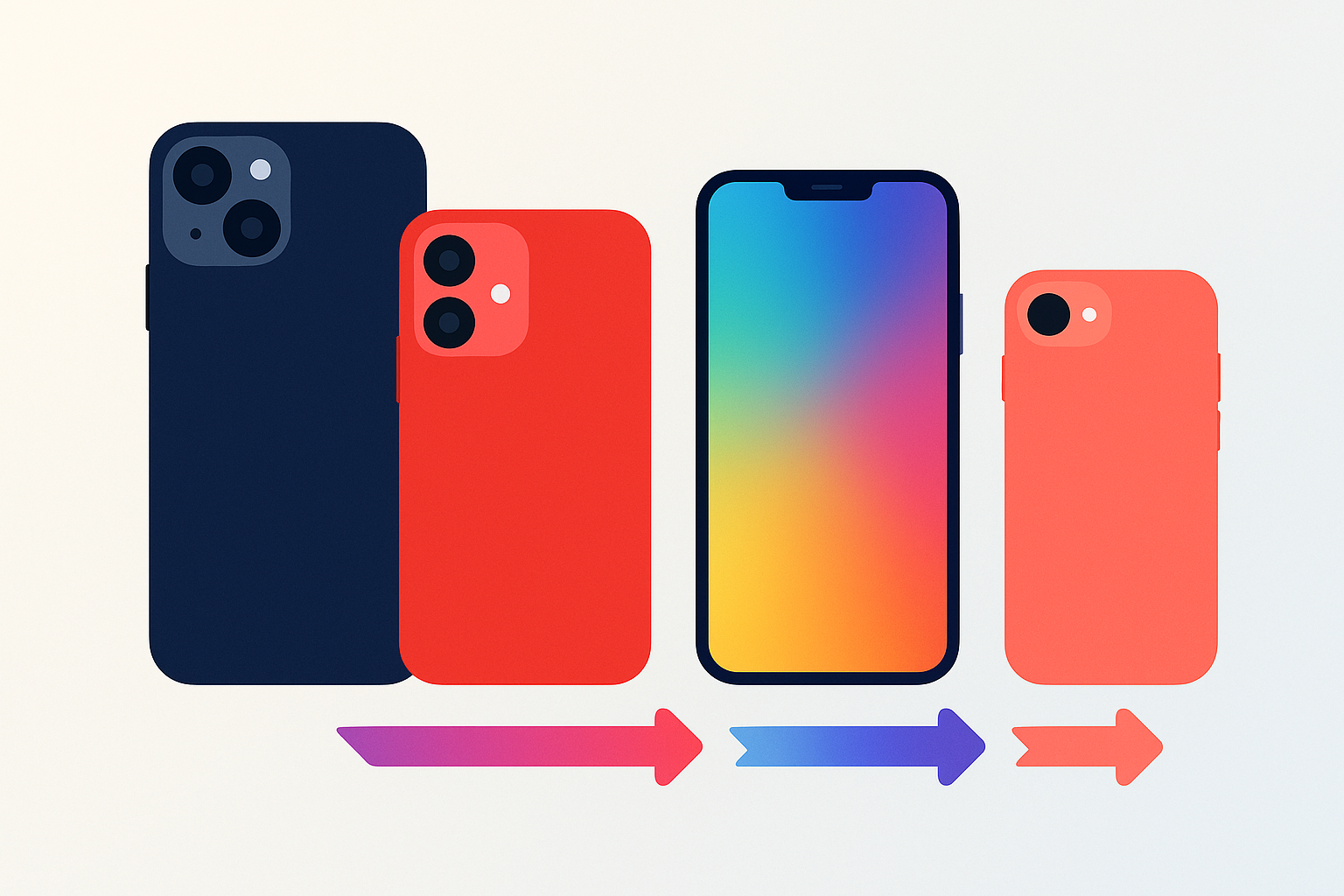
None of this is confirmed, but taken together, these expectations show how the iPhone 16e – if it ever appears – could reshape the way we think about “budget” performance. Instead of being a stripped-back compromise, it is being imagined as a true performance device aimed at the mid-range buyer.
Redefining Performance at a Mid-Range Price
To see why the rumored 16e matters, it helps to look at Apple’s current pricing structure. With the iPhone 16 series starting at $799 and the Pro Max crossing $1,199, Apple’s latest performance is tightly linked to premium pricing. In contrast, Android competitors like Samsung, Google, and Xiaomi routinely release mid-range phones with strong processors, large batteries, and advanced camera tricks for $400–$600.
The 16e rumors speak directly to this gap. A $599 iPhone with contemporary silicon and support for Apple Intelligence would do several things at once:
- Bring flagship-level responsiveness to a wider audience. Even if it used a slightly older chip, Apple’s history shows that “last year’s” silicon still outperforms many mid-range Android processors.
- Extend the lifespan of a budget device. Apple’s long-term software support means a mid-priced iPhone can stay fast and secure for many years, which is a big part of “performance” in day-to-day use.
- Bridge the gap between the SE line and mainline models. Right now, buyers often choose between the iPhone SE or discounted older flagships. A 16e would offer current-generation design and software at a familiar mid-range cost.
Performance is no longer just about benchmark scores. It is about whether a $599 phone can handle AI-assisted photo editing, real-time transcription, advanced gaming, and low-latency multitasking without breaking a sweat. The 16e hints “yes” to all of that, which is why so many people are excited by the rumor alone.
AI and “Apple Intelligence” on a Budget-Friendly iPhone
With the official iPhone 16 lineup, Apple introduced Apple Intelligence, an AI layer that ties into system apps, on-device processing, and cloud-assisted features. This raised an immediate question: will these intelligent tools stay locked behind high-end devices, or will they reach more affordable models too?
Speculation around the 16e tends to assume that Apple would not release a 2024/2025 era “budget” iPhone without some form of Apple Intelligence support. That could mean:
- On-device AI features powered by a capable Neural Engine (even if it is a generation behind the A18 Pro)
- Optimized software that prioritizes energy-efficient AI workloads over raw frame rates
- Camera enhancements that lean heavily on computational photography for sharper night shots and portrait effects
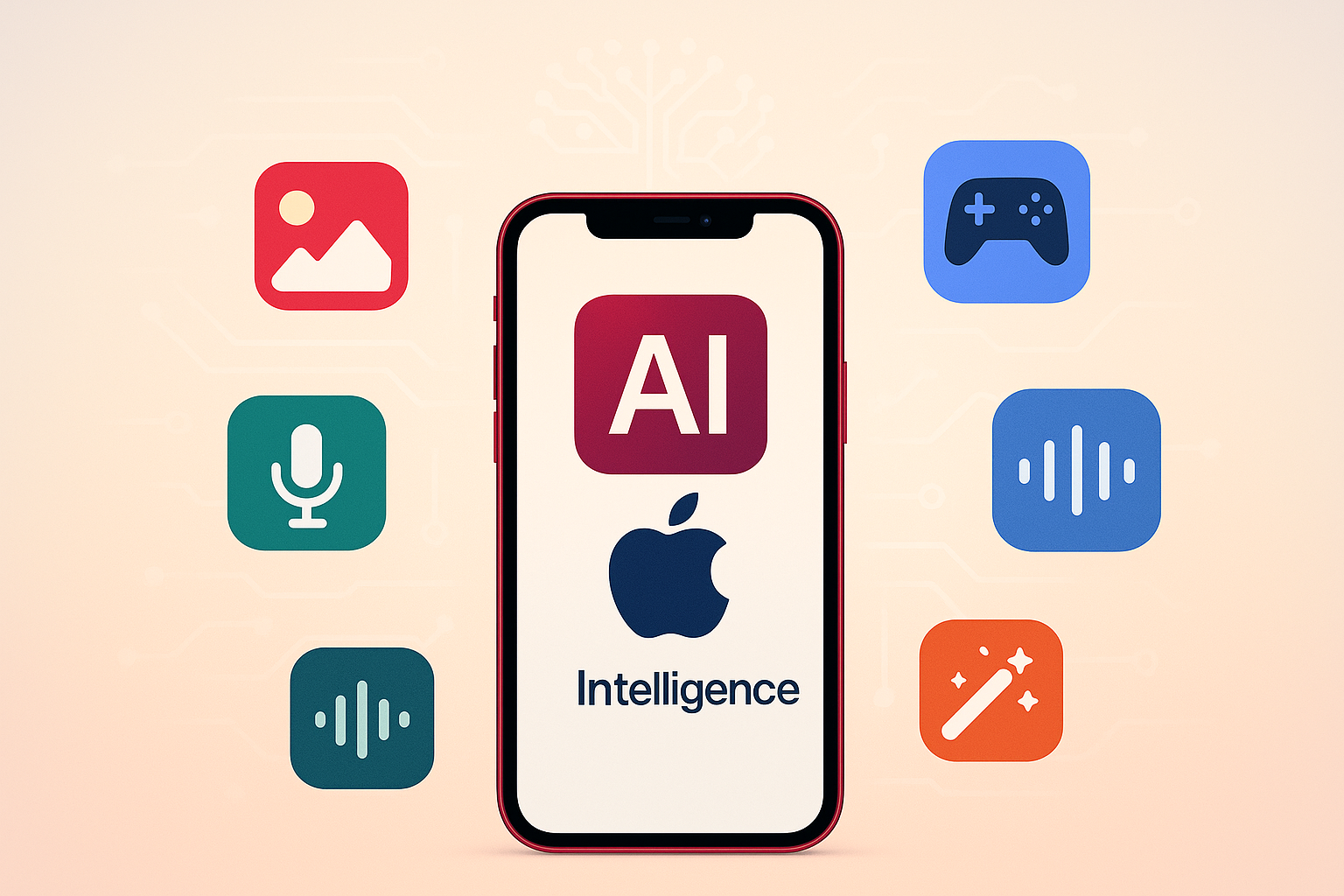
In this vision, the 16e does not redefine performance by being the fastest iPhone available. Instead, it redefines performance by showing that meaningful AI features are no longer reserved only for the highest tier. That shift would line up with broader AI trends explored in content about large language models and modern AI systems, such as in this detailed look at LLMs and how they power today’s AI.
Where the iPhone 16e Would Sit in Apple’s Lineup
When you map out Apple’s rumored roadmap, the picture gets more interesting. Some reports hint that Apple might move toward a biannual release cycle around 2026, with premium flagships in the fall and more accessible models in the spring. At the same time, separate rumors mention an “iPhone 17e” potentially launching in early 2026 with an A19 chip and a similar $599 target price.
If that holds true, a 16e might never see the light of day, with Apple jumping straight to a 17e. Yet the speculation continues because the idea of an “e” variant adds a missing piece to the product puzzle:
- Pro / Pro Max: bleeding-edge displays, cameras, and chips
- Standard models: mainstream premium phones with most of the core tech
- “e” model: current-gen design and AI features at mid-range pricing
- SE line: minimal-cost entry option, often with older form factors
In that context, the 16e concept signals a transition: away from a strict divide between premium and old models, and toward a layered lineup where performance is carefully matched to price segments – without feeling dated.
How It Compares to iPhone SE and Older Flagships
Many buyers thinking about an iPhone 16e today are actually deciding between three types of options:
- The latest iPhone SE
- Discounted older flagships like the iPhone 14 or 15
- Waiting to see if a newer budget-friendly model appears
A hypothetical 16e would try to combine the best of all three approaches. Compared to the SE, it would likely offer a more modern design, better cameras, and deeper integration with Apple Intelligence. Compared to older flagships, it would have a fresher support window and possibly improved efficiency even if raw power was similar.
That combination – up-to-date design, long support, and capable AI performance at a mid-range price – is exactly why so much of the discussion frames the 16e as a performance-focused product rather than simply a “cheap iPhone.”
Is the Rumored iPhone 16e Worth Waiting For?
For buyers today, the most practical question is not “will Apple build it?” but “should I wait for it?” Here are some key points to consider:
- There is no official confirmation. Apple has not announced an iPhone 16e, and timelines that point to a 17e instead suggest skipping directly to the next generation.
- Existing models already offer strong performance. The iPhone 16 series, as well as discounted older flagships, already deliver more than enough power for everyday tasks and most AI-backed features.
- Rumors change quickly. YouTube leaks and supply chain hints are useful signals, but they are not guarantees. Waiting indefinitely for a rumored model can easily lead to decision fatigue.
A sensible approach is to define what “performance” actually means for you. If you care mostly about gaming at the highest settings or professional-grade video capture, then a Pro model is still your best bet. If you care about value, longevity, and a smooth, intelligent experience, a hypothetical 16e is appealing – but a current mid-range phone or existing iPhone may already tick those boxes.
Why the Conversation Around iPhone 16e Matters
Even if the iPhone 16e never launches, the way people talk about it sends a clear message to Apple and the broader industry: consumers now expect excellent performance, modern AI integration, and long-term support in the mid-range segment, not just at the top end.
That expectation is echoed in many other tech areas, from AI chat tools to creative assistants. As users explore new AI platforms and character-based chat experiences, such as those covered in articles on AI chat characters and how they work or safety-focused discussions like this guide to Talkie AI safety for kids, they are increasingly aware of how much processing happens on-device versus in the cloud. The phone you buy today directly influences how well you can use tomorrow’s AI tools.
In that sense, the iPhone 16e rumor does more than tease a cheaper iPhone. It challenges long-held assumptions about where performance lives in the lineup, how much buyers must spend to get a truly fast and capable device, and how quickly advanced AI will filter down from the premium tier.
Whether Apple eventually introduces a 16e, jumps forward to a 17e, or chooses a completely different naming scheme, the pressure is now visible: the next wave of “budget” phones will be judged not by how much they cut, but by how much real-world performance they manage to deliver at a price normal users can justify.