

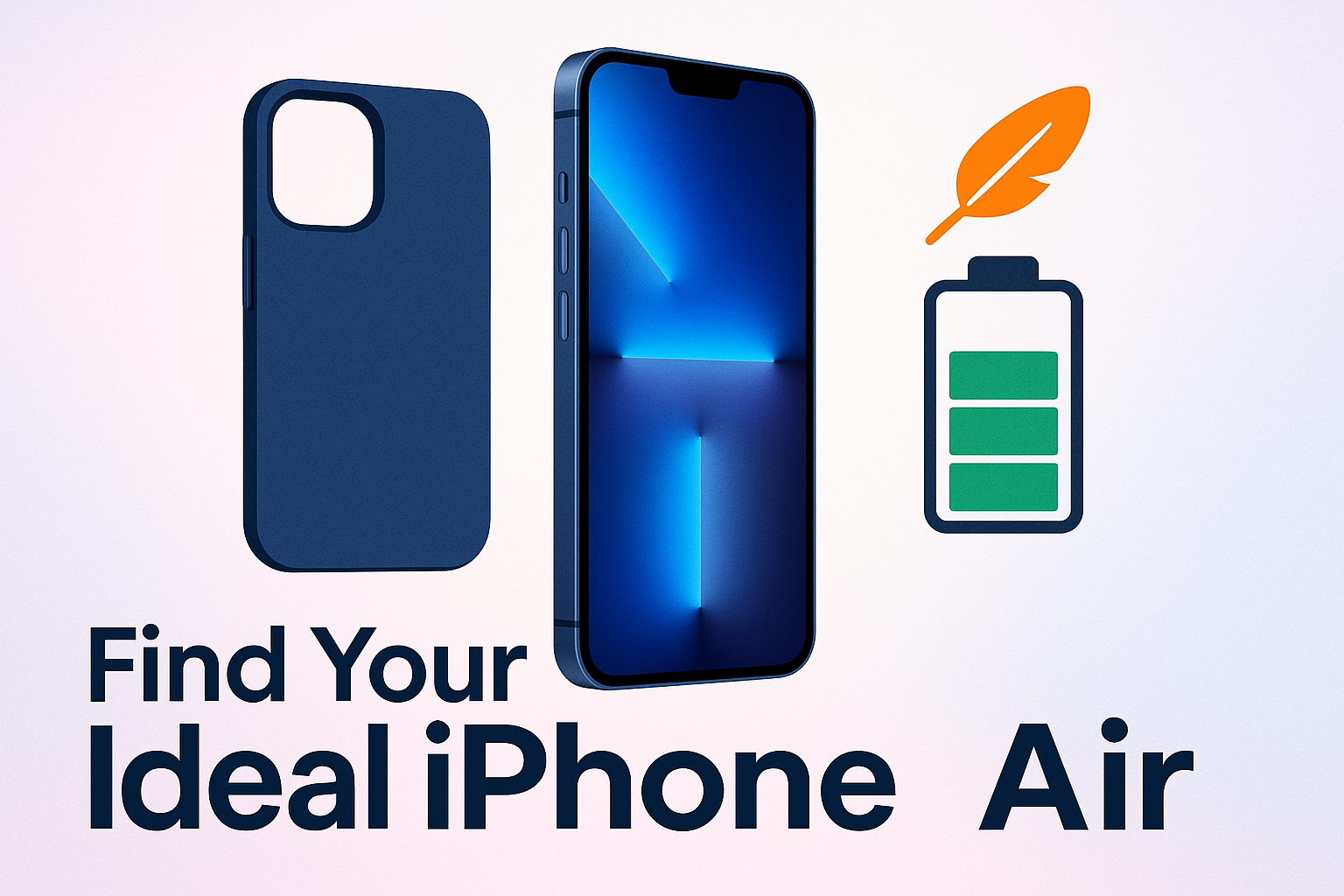
The iPhone Air’s debut in September 2025 marked Apple’s bold leap into the world of ultra-thin smartphones, catching the eye of tech enthusiasts and everyday users looking for a device that strikes the right mix of sleekness, power, and portability. Touted as Apple’s thinnest and lightest iPhone yet, this phone isn’t just another upgrade—it offers a glimpse of where Apple is headed, and has sparked lively debates about the compromises involved in going so slim.
If you’re wondering whether the iPhone Air suits your needs, it helps to break down its technical features, real-world performance, common complaints, and its potential future. Let’s dive into what matters most to help you decide.
Design and Build: Redefining Thinness
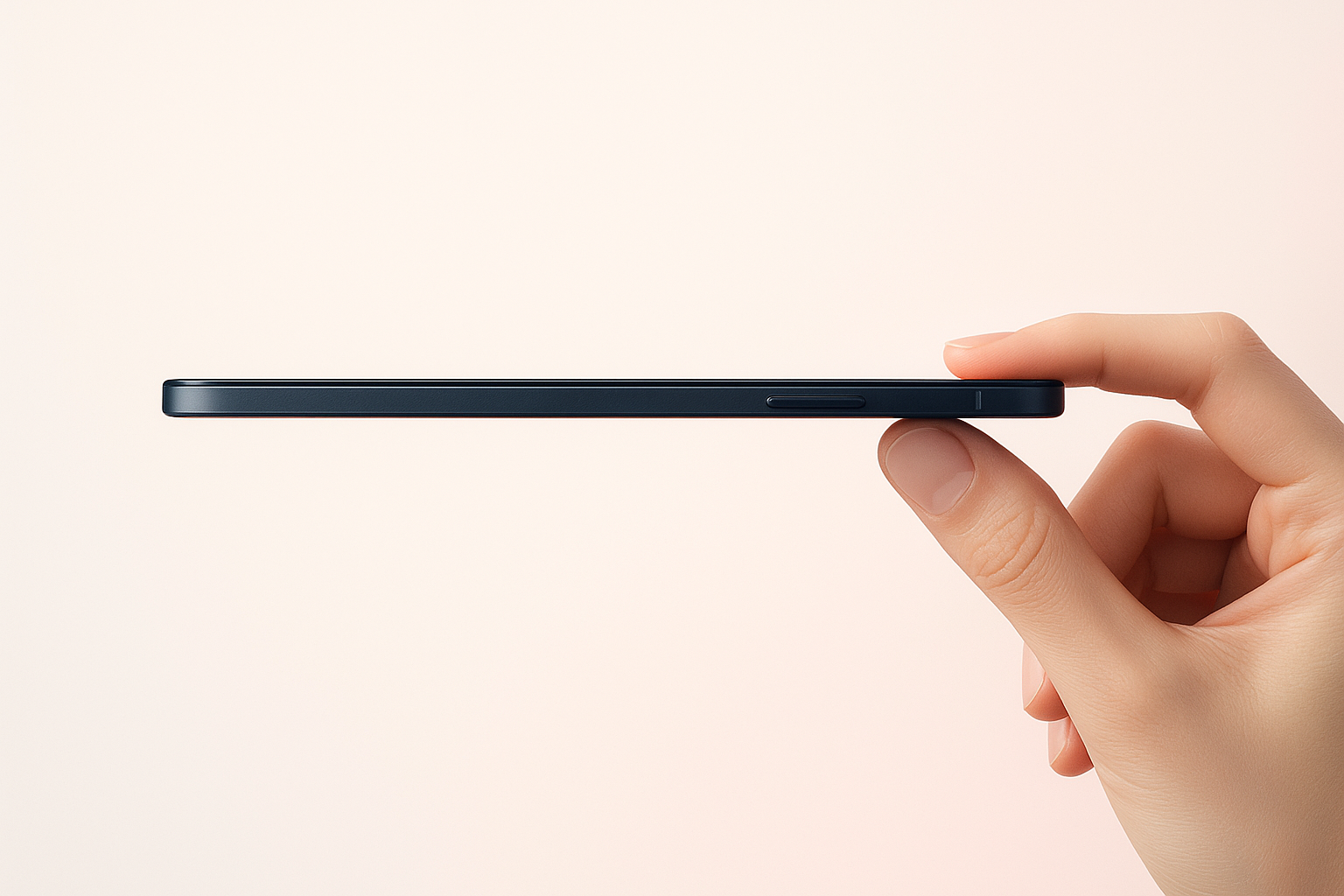
The iPhone Air instantly impresses with its impossibly slim 5.6mm frame—a new milestone for Apple’s smartphones. Weighing only 152g, it feels almost weightless in your hand, yet its Ceramic Shield exterior keeps it surprisingly sturdy. The 6.5-inch OLED display offers an immersive experience with ultra-thin bezels, still fitting easily in your pocket or hand. For anyone who values using their phone one-handed or sliding it comfortably into tight spaces, this model stands out in the Apple family.
While some rivals like the Samsung Galaxy S25 Edge come close, the iPhone Air leads the way in pure slim design. However, reaching this thinness wasn’t without difficulties—especially around battery life and camera capabilities.
Performance: A19 Pro Chip and Daily Usability
Packed with Apple’s latest A19 Pro chip (6-core CPU, 5-core GPU, and 12GB RAM), the iPhone Air is quick and responsive for switching between apps, gaming, and more. In performance tests, it holds its own against Apple’s top-tier models for daily tasks, and the 18MP front camera with Center Stage is great for video calls and selfies.
Running on iOS 26, you’ll find smoother software, security updates, and Apple’s newest features. One thing to keep in mind—there’s no active cooling system inside, so you might notice the device warming up a bit if you push it hard with games or demanding apps. For most everyday use, though, it’s not a real issue.
The Single 48MP Fusion Camera: A Key Trade-Off
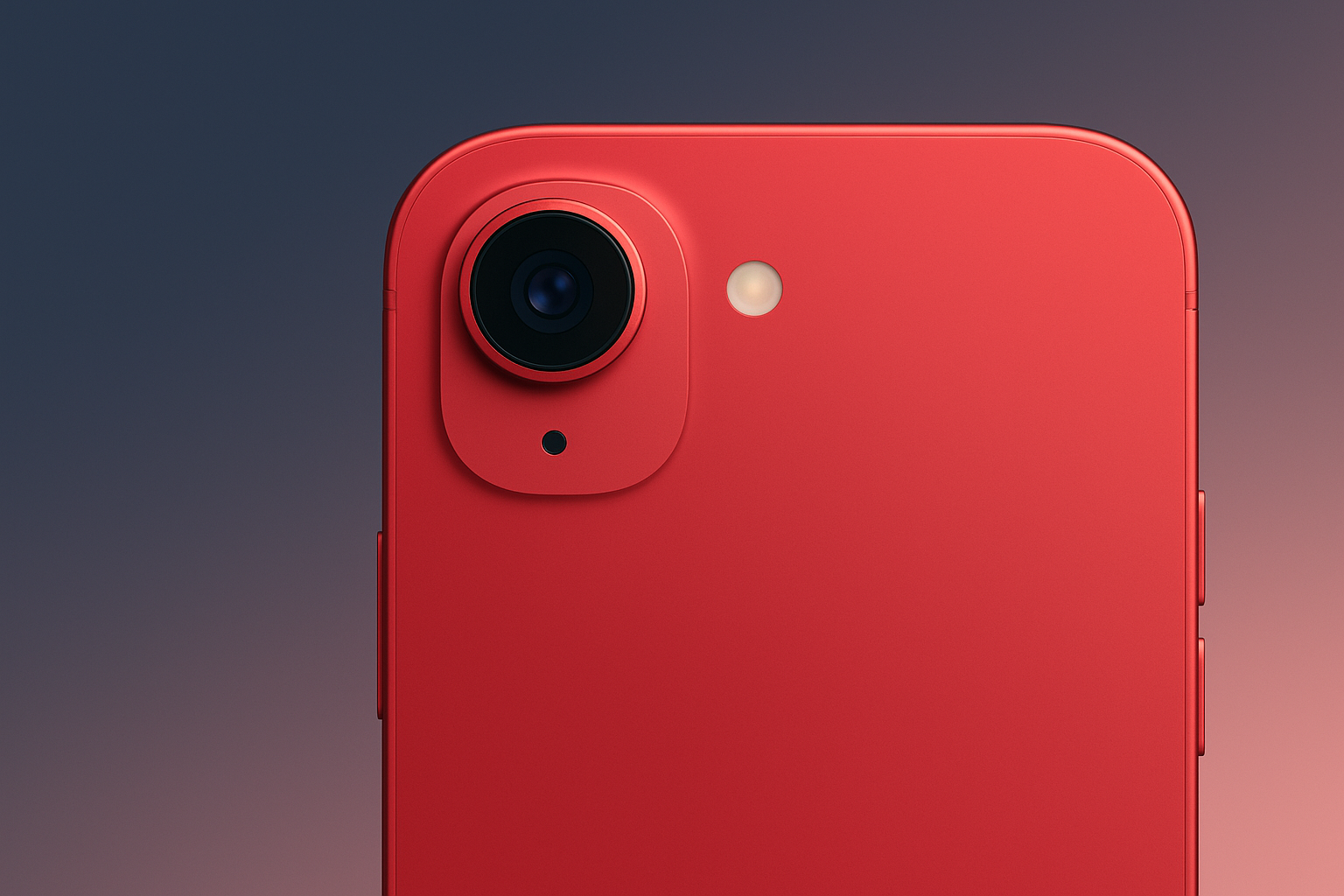
One of the most talked-about features, or drawbacks, is the iPhone Air’s solo 48MP rear camera. Photos are processed quickly and look sharp, but if you’re used to having an extra ultra-wide or telephoto lens, the single-camera setup can feel limiting. It handles regular snapshots, portraits, and low-light scenes well, with Apple’s software working to keep colors true and images crisp.
Still, many hoped for a second rear camera—this has been a common critique in user reviews, and rumors suggest Apple is planning to address it in the next iPhone Air model.
Battery Performance: Form Over Function?
Shrinking the phone’s frame meant less space for a battery, and even though Apple has squeezed every bit of efficiency out of its software, there are trade-offs. The iPhone Air promises all-day battery life for light to moderate use—like calls, texts, web browsing, and streaming. But if you play games, use AR, or record lots of video, the battery won’t last as long as larger Pro Max or standard iPhones.
If you’re often away from a charger, carrying a slim power bank or using Apple’s smart power settings will help stretch battery life. This is one of the top areas users want to see improved, and it’s expected to get attention in the next release. For tips on making your tech’s battery last longer, take a look at our guide to managing device efficiency.
Who Should Consider the iPhone Air?
The iPhone Air is the right pick for those who care about a light, minimalist design and strong performance but don’t mind skipping a multi-camera system or super-long battery life. It’s a standout choice if you:
- Often use your phone one-handed or need it to fit into small pockets or bags
- Prefer a device that’s easy to carry and weighs next to nothing
- Like having something that looks and feels different from heavier flagship models
Frequent travelers, professionals who rely on their phone all day, and users who focus more on communication and media than on advanced photography may find the iPhone Air is just the right fit—without extra bulk.
Should You Wait for the iPhone Air 2?
With Apple postponing the iPhone Air 2 to fine-tune the camera and battery, many buyers are wondering if they should wait. Early rumors suggest the next version could offer a second camera, better battery, and fresh software upgrades—direct responses to today’s most common feedback.
If top-tier photography or heavy-duty battery life matters most, waiting could be worth it. But if you need a new device now and care more about style and portability, the current iPhone Air is still a solid, modern choice.
Comparisons to Other Thin and Lightweight Devices
Apple’s “Air” lineup—like the MacBook Air and iPad Air—has always emphasized less bulk with strong performance. The iPhone Air keeps that tradition alive, giving users flagship power without the extra weight. Against rivals such as the Galaxy S25 Edge, the iPhone Air usually comes out ahead for iOS integration, Apple ecosystem perks, and overall smoothness. Meanwhile, many Android competitors include more cameras or bigger batteries in equally slim packages, so it’s smart to think about which features you value most.
If you’re curious about how slim phones have evolved, check out our history of mobile technology.
Accessories and Protection for Ultra-Thin Devices
A device this thin calls for equally thoughtful protection. Luckily, you’ll find plenty of ultra-thin cases and light screen protectors designed to keep the phone safe without spoiling its look and feel. Wireless add-ons like MagSafe-ready chargers and stands make everyday use easy and stylish. And if you’re often on the move, grippy cases and screen guards are smart to prevent slips and scrapes.
Final Thoughts: Weighing Value at $999
With a starting price of $999, the iPhone Air is aimed at users who really want the thinnest and lightest option Apple offers. It’s a price that matches its innovative design and Apple cachet. If you care most about camera power or extended battery life, though, you might be happier looking at other iPhones or waiting for the next Air model.
Thinking about making a switch, or looking for more shopping advice? Don’t miss our latest trends and buying guides.
As smartphone design moves forward, the iPhone Air’s lessons—about balancing style, features, and user feedback—will likely shape the direction of smartphones in the coming years.